Food Storage for Beginners: From 2 Weeks to 90 Days
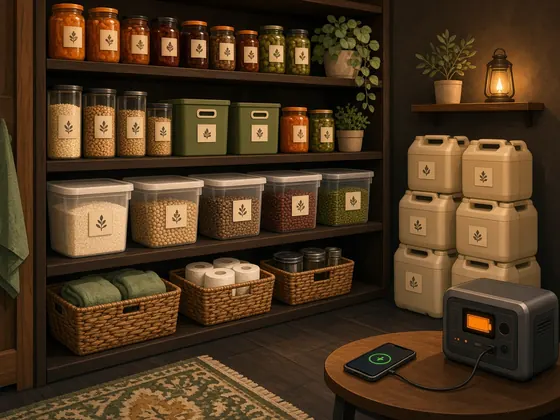
Food storage is not a pile of buckets in the garage. It is a pantry you eat from and refill. Here is a system that works on a normal budget.
Step 1: Know your number
Plan about 2,000 calories per adult per day. Our calculator converts that to pounds of rice so you can picture it.
Step 2: Store what you already eat
Ready.gov recommends foods that need no refrigeration, little water and little cooking:
- Canned meat, fish, beans, fruit and vegetables
- Peanut butter, nuts and trail mix
- Dry cereal, crackers, granola bars
- Food for infants, special diets and pets
Keep a manual can opener. It is the most forgotten item.
Step 3: Store it right
- Cool, dry and dark. Off the floor. In sealed containers.
- Label each item with the date you bought it.
- Throw out cans that bulge, leak or are badly dented.
Step 4: Rotate
First in, first out. Put new items in the back. Eat from the front. Add one week of food with each grocery trip until you reach 30 days, then 90.
After a power outage: keep or toss?
- A closed refrigerator keeps food safe for about 4 hours.
- A full freezer holds about 48 hours (24 hours if half full) with the door closed.
- When in doubt, throw it out. See the keep or toss guide.
Gear that helps: see the food storage buying guide.
Recommended gear
Affiliate disclosure: Some links on this page are affiliate links. If you buy through them, we may earn a commission at no extra cost to you. As an Amazon Associate I earn from qualifying purchases. Read our affiliate disclosure.
Sources
- Ready.gov: Food
- FoodSafety.gov: Food Safety During Power Outage
- National Center for Home Food Preservation
Sources checked 2026-11-17. Official guidance changes; always follow your local authorities.